

USPAP Equipment Appraisals for Lenders provide the independent collateral analysis commercial lenders need when relying on machinery and equipment as loan security every day. Whether financing a manufacturing facility, construction contractor, medical practice, transportation company, or food processor, the collateral often represents millions of dollars in loan security. Yet one of the most overlooked aspects of collateral lending is the quality of the appraisal supporting the loan.
A professionally prepared USPAP-compliant equipment appraisal is far more than a statement of value. It provides a documented, independent, and defensible opinion that can withstand scrutiny from regulators, external auditors, investors, and internal credit committees.
For banks, credit unions, SBA lenders, and commercial finance companies, choosing a USPAP-compliant appraisal is not simply a best practice; it’s an important component of sound risk management.
What is USPAP?
USPAP, or the Uniform Standards of Professional Appraisal Practice, is the recognized set of ethical and performance standards governing appraisal practice in the United States. These standards are maintained by The Appraisal Foundation and establish how appraisers develop, document, and report credible opinions of value.
USPAP requires appraisers to:
- Remain independent and impartial
- Clearly define the scope of work
- Identify intended use and intended users
- Research appropriate market data
- Disclose assumptions and limiting conditions
- Maintain a workfile supporting the conclusions
- Follow strict ethics and competency requirements
The appraisal should be transparent, reproducible, and capable of withstanding professional review.
Why Lenders Should Care
A loan secured by equipment is only as strong as the collateral supporting it.
USPAP Equipment Appraisals for Lenders provide an independent, supportable opinion of value that helps prevent inaccurate collateral assessments. Overstated collateral values expose lenders to unnecessary risk. Understated collateral values may result in borrowers receiving less financing than appropriate.
As a result, a USPAP-compliant appraisal establishes confidence that collateral values reflect actual market conditions instead of estimates, assumptions, or unsupported opinions.
This becomes particularly important when:
- Large commercial loans are originated
- Credit facilities are renewed
- Borrowing bases are updated
- Problem loans are transferred to special assets
- Equipment is pledged across multiple lenders
- Loans are sold or participated with other institutions
In each of these situations, decision makers need objective collateral information, not optimistic estimates.
Government Regulators Expect Strong Collateral Documentation
Banks today operate in an environment of increasing regulatory oversight.
During examinations, agencies such as the:
- Federal Deposit Insurance Corporation (FDIC)
- Office of the Comptroller of the Currency (OCC)
- Federal Reserve
- National Credit Union Administration (NCUA)
- State banking departments
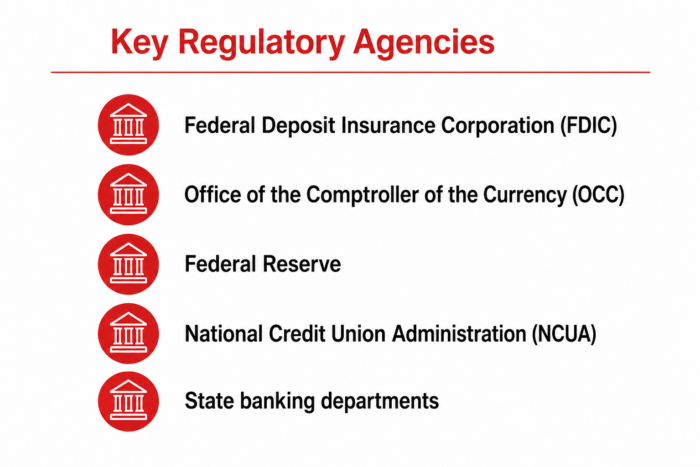
Often review collateral documentation supporting commercial lending.
While regulators are not reviewing every individual appraisal, they routinely evaluate whether institutions maintain prudent collateral valuation policies and whether appraisals are appropriate for the credit risk involved.
A well-documented USPAP appraisal demonstrates that the institution exercised sound underwriting practices when relying on collateral values.
External CPA Firms Review Loan Portfolios Too
In addition to regulators, many lenders overlook another important audience: their outside auditors. Fortunately, USPAP Equipment Appraisals for Lenders provide the documentation and transparency that both regulatory agencies and independent auditors expect during their reviews.
Independent CPA firms frequently review commercial loan portfolios as part of annual financial statement audits. During these engagements, they may evaluate:
- Collateral documentation
- Impaired loans
- Allowance methodologies
- Credit quality
- Fair value measurements
- Troubled debt restructurings
- Charge-off support
When significant loans are secured primarily by equipment, auditors often examine the quality of the supporting appraisal.
A comprehensive USPAP report provides documentation explaining:
- How value was developed
- Market evidence relied upon
- Highest and best use
- Assumptions
- Limiting conditions
- Market conditions affecting value
This level of documentation helps answer questions before they become audit issues.
Loan Portfolio Quality Depends on Accurate Collateral Values
Strong lending is not simply about approving good borrowers.
It is also about maintaining a healthy portfolio over many years.
Commercial loan portfolios are continually monitored for:
- Industry concentrations
- Geographic concentrations
- Loan-to-value ratios
- Collateral quality
- Risk ratings
- Portfolio diversification
Many institutions establish internal guidelines limiting the percentage of their commercial portfolio concentrated in a single industry. For example, management may monitor exposure to sectors such as construction, manufacturing, hospitality, healthcare, agriculture, or transportation to avoid excessive concentration risk. Accurate collateral values help management understand the true level of secured exposure within these industries and make informed lending decisions.
Reliable appraisals support better portfolio analytics by ensuring that collateral values used in internal reporting are based on credible market evidence rather than unsupported estimates.
The Role of the Independent Equipment Appraiser
An equipment appraiser is not an advocate for the lender or the borrower.
The appraiser’s responsibility is to develop an independent, unbiased opinion of value based upon market evidence.
This includes:
- Properly identifying the assets
- Determining the appropriate standard and premise of value
- Researching comparable market activity
- Analyzing condition, age, and remaining useful life
- Considering installation and marketability
- Applying recognized valuation methodologies
- Explaining the reasoning behind the conclusions
Professional appraisers should also disclose any extraordinary assumptions, hypothetical conditions, or limitations that may affect the assignment.
This transparency is one of the hallmarks of USPAP compliance.
Equipment Values Can Change Quickly
Unlike commercial real estate, machinery and equipment values can change rapidly.
Factors affecting collateral value include:
- Technological obsolescence
- Changes in manufacturing demand
- Commodity prices
- Import competition
- Equipment hours or mileage
- Industry consolidation
- Environmental regulations
- Maintenance history
Equipment purchased for $2 million only a few years ago may have a substantially different market value today depending on current market conditions.
Independent appraisals help lenders avoid relying solely on historical cost or borrower estimates.
Best Practices for Commercial Lenders
Institutions seeking to strengthen collateral management should consider several best practices, beginning with the use of USPAP Equipment Appraisals for Lenders as the foundation of their collateral valuation process.
1. Use Qualified Independent Appraisers
Select appraisers with demonstrated experience valuing the specific asset class involved rather than relying on generalized estimates or online pricing tools.
2. Require USPAP Compliance
USPAP provides a recognized framework for credible appraisal development and reporting, giving lenders confidence that accepted professional standards have been followed.
3. Match the Scope to the Risk
Not every assignment requires the same level of analysis. Larger or more complex loans may warrant comprehensive on-site inspections, while smaller or lower-risk transactions may be appropriate for desktop analyses when sufficient information is available.
4. Update Older Appraisals
Collateral values should be refreshed when market conditions change significantly or when loans are renewed after extended periods.
5. Understand the Appropriate Value Premise
Fair Market Value, Orderly Liquidation Value, and Forced Liquidation Value each serve different lending purposes. Institutions should ensure the appraisal reflects the value premise appropriate for the credit decision.
6. Maintain Strong Documentation
A well-organized appraisal file supports underwriting, regulatory examinations, external audits, and internal loan reviews while providing valuable documentation if questions arise in the future.
USPAP Supports Better Lending Decisions
Equipment appraisals are often viewed simply as another item on the underwriting checklist.
In reality, they are an important risk management tool.
A credible USPAP-compliant appraisal helps lenders:
- Make informed credit decisions
- Improve collateral quality
- Support regulatory examinations
- Satisfy external auditors
- Reduce underwriting risk
- Strengthen loan portfolio management
- Provide transparency for credit committees
- Support future loan servicing and special asset management
For institutions managing millions, or even billions of dollars in commercial loans, the quality of collateral documentation can have a meaningful impact on portfolio performance.
Commercial lending depends on confidence in borrowers, confidence in underwriting, and confidence in collateral.
USPAP-compliant machinery and equipment appraisals provide an independent foundation for that confidence by delivering objective, well-supported opinions of value that stand up to scrutiny from regulators, auditors, credit committees, and other stakeholders.
At Truman Mox, Inc., we prepare USPAP-compliant machinery and equipment appraisals for banks, credit unions, SBA lenders, commercial finance companies, attorneys, and business owners throughout the United States. Our reports are designed to provide credible, well-documented valuation opinions that support sound lending decisions and effective collateral risk management.